
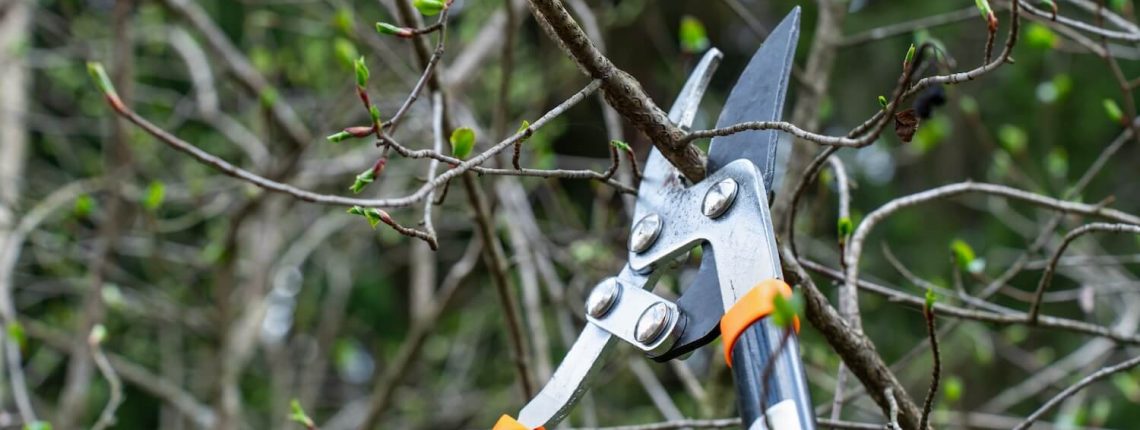
Central Florida properties are defined by their magnificent natural canopies. Majestic live oaks, spreading laurel oaks, soaring pines, and towering palms provide vital shade against the intense summer sun, enhance curb appeal, and add substantial financial value to residential yards and commercial real estate. However, maintaining mature trees in a region known for intense afternoon thunderstorms, high humidity, and seasonal tropical weather requires constant vigilance.
Every property owner eventually faces a critical dilemma when inspecting a mature tree with a dense crown, a heavy limb stretching over the roofline, or suspicious bark decay: Can this tree be saved with professional pruning, or has it become a dangerous liability that must be completely removed?
Making the right decision is about balancing property safety, long-term landscape health, and financial prudence. Trimming and pruning preserve a tree’s structural integrity, enhance aesthetics, and extend its lifespan. Complete removal, on the other hand, is a necessary last resort when a tree’s core structure, root system, or health has deteriorated beyond recovery. Understanding how to evaluate tree health, recognize structural hazards, and apply professional tree care standards ensures your landscape remains an asset rather than a hazard.
Defining the Care Spectrum: Pruning, Trimming, and Removal
While property owners often use terms like trimming, pruning, and removal interchangeably, each service fulfills a distinct purpose in landscape management and tree care.
Tree Pruning: Health and Structural Integrity
Tree pruning is a targeted, science-backed procedure focused primarily on the long-term biological health and structural strength of the tree. During a pruning session, trained professionals selectively remove dead, diseased, crossing, or structurally weak branches. Selective pruning eliminates interior clutter, improves airflow through the crown, allows sunlight to penetrate inner foliage, and prevents the spread of fungal pathogens. For young, developing trees, developmental pruning establishes a strong central trunk and balanced branch spacing that supports decades of healthy growth.
Tree Trimming: Aesthetics and Growth Control
Trimming focuses predominantly on aesthetic appearance, clearance, and proportion. Overgrown limbs can block pedestrian walkways, scrape against roof shingles, obstruct line-of-sight for driveways, or interfere with overhead utility lines. Routine tree trimming keeps growth contained within defined boundaries while maintaining a neat, attractive silhouette that complements surrounding architecture.
Tree Removal: Hazard Mitigation and Site Clearance
Tree removal involves the systematic, safe dismantling and complete extraction of a tree down to its stump. Removal becomes necessary when a tree has suffered irreparable damage, reached the end of its natural life cycle, developed severe decay, or posed an unmanageable risk to nearby buildings, power grids, or public areas.
When Tree Trimming and Pruning is the Right Choice
Preserving mature trees is always the primary goal of sustainable property management. A mature, well-maintained tree can add significant value to a property while providing natural cooling and erosion control. In the vast majority of cases, routine structural pruning and canopy trimming resolve common concerns without taking the tree down.
1. The Canopy Has Deadwood Under 25% to 30%
It is entirely natural for mature trees to accumulate dead or dying branches in their inner or lower crowns over time as light dynamics shift. If the overall canopy remains vigorous, producing full green foliage across 70% or more of its structure, removing dead wood during routine maintenance restores both safety and beauty.
2. Reducing the “Sail Effect” Before Storm Season
Central Florida summer storms bring high winds that exert immense pressure on full tree crowns. A thick, unpruned canopy acts like a solid sail on a boat, catching wind currents and transferring aerodynamic stress directly down the trunk into the root system. Crown thinning selectively removes key interior branches to convert a solid wind barrier into a permeable structure. Allowing wind to blow through the canopy reduces wind resistance by 20% to 30%, dramatically lowering the risk of branch failure or uprooting during heavy weather.
3. Clearing Structures and Utility Lines
When healthy branches extend too close to house structures, screen enclosures, or driveways, clearance pruning lifts and reduces specific limbs without compromising the tree’s health. Removing lower branches ensures safe clearance for pedestrian and vehicular traffic while protecting roof tiles from physical abrasion and moisture buildup.
4. Correcting Structural Defects in Young or Mid-Aged Trees
Trees with crossing branches, competing central leaders, or narrow branch attachments (V-shaped unions) are susceptible to splitting as they mature. Early structural pruning subordinates weak stems, corrects growth patterns, and encourages a dominant central trunk, preventing major structural failures years down the road.
When Tree Removal is the Only Safe Option
While saving a tree is always preferred, certain structural failures, biological decay processes, and environmental factors make complete tree removal the only safe and responsible decision. Attempting to save a severely compromised tree through heavy trimming often wastes money on a hazard that will inevitably fail.
1. More Than 50% of the Crown is Dead or Dying
When a tree loses more than half of its functional leaf canopy due to disease, root stress, or pest infestation, its biological capacity to generate energy through photosynthesis is severely crippled. Pruning away the dead portions leaves a disfigured, stressed tree that cannot recover and will continue to drop dying limbs.
2. Hollow Trunks, Large Cracks, and Internal Decay
The central trunk provides the primary structural support for the entire weight of the tree. Large hollow cavities, deep vertical cracks extending into the heartwood, or soft, crumbling wood indicate advanced internal decay. A tree can continue producing green leaves on outer twigs even when its central trunk is hollow or rotting, creating a dangerous false sense of security.
3. Root System Failure and Severe Leaning
A tree’s stability relies entirely on its underground root structure. If construction activity, trenching, soil compaction, or root rot damages major anchor roots, the tree loses its physical grip on the soil. A tree that suddenly develops a prominent lean—especially when accompanied by soil heaving or cracking at the base—is in immediate danger of complete uprooting and requires urgent removal.
4. Severe Trunk Decay and Fungal Fruiting Bodies
The presence of mushrooms, conks, or fungal brackets growing around the base of the trunk or root flare is a clear sign of internal root rot. As fungal pathogens break down wood cellulose, the tree loses structural density from the inside out, making it incapable of supporting its own weight during saturated soil conditions.
Comparison Matrix: Pruning vs. Removal
To help property owners quickly evaluate their landscape concerns, the following breakdown contrasts common tree conditions with the recommended technical approach:
| Observed Tree Condition | Recommended Service | Primary Technical Objective |
|---|---|---|
| Minor dead branches on outer twigs | Professional Pruning | Eliminates minor falling hazards; cleans up canopy aesthetics. |
| Dense crown catching heavy wind | Canopy Thinning | Reduces wind sail load by 20–30%; improves light and airflow. |
| Branches rubbing against roof shingles | Clearance Trimming | Provides structural clearance while preserving main branch health. |
| Fungal growth / conks at root base | Complete Removal | Eliminates major structural risk caused by internal root decay. |
| Trunk split or hollowed over 50% | Complete Removal | Prevents catastrophic trunk collapse during severe weather events. |
| Recent severe leaning with soil heaving | Emergency Removal | Mitigates immediate hazard of whole-tree uprooting. |
The Hidden Dangers of DIY Tree Work
When facing overgrown or damaged trees, some homeowners consider handling the work themselves with consumer chainsaws or rental equipment. However, tree work remains one of the most hazardous tasks in property maintenance, combining heights, heavy unstable loads, sharp power tools, and high-tension forces.
The Traps of Improper Cutting Techniques
Inexperienced trimming often inflicts severe, irreversible harm on healthy trees. Common mistakes include:
- Flush Cuts: Cutting branches flush against the main trunk removes the branch collar—the tree’s natural defense zone—preventing the wound from sealing and inviting rot.
- Lion’s-Tailing: Stripping away all interior foliage shifts weight to the tip ends, causing limbs to bow, whip violently in wind, and snap.
- Topping: Shearing major limbs shocks the tree, creates large open decay entry points, and triggers weak, hazardous sprout growth.
Physical Safety and Liability Risks
Working on ladders with chainsaws presents extreme personal safety risks. Falling limbs rebound unpredictably upon impact, while rope tension under load can cause heavy wood to spring back toward the operator. Damage caused to neighboring properties, power infrastructure, or structures during uncertified DIY attempts can lead to rejected insurance claims and substantial out-of-pocket liabilities.
Professional Tree Management in Central Florida
Executing safe tree care requires specialized commercial equipment, heavy-duty rigging systems, deep knowledge of local Florida tree species, and strict adherence to industry safety standards. Property owners benefit immensely from working with an established local partner.
A trusted, family-owned regional specialist like Real Lawn brings nearly four decades of hands-on experience to property care throughout Central Florida. By maintaining a dedicated approach in which the owner works in the field alongside crews every day, Real Lawn ensures every pruning cut, crown reduction, or complete removal meets the highest standards of safety and precision.
From routine hazard inspections and crown thinning ahead of storm season to complex tree removals and complete debris hauling, Real Lawn simplifies property maintenance by serving as a single, dependable point of contact. Partnering with a skilled local crew gives property owners complete confidence that their mature trees are managed as valuable, safe assets that enhance curb appeal year after year.
Frequently Asked Questions
How do I determine whether a damaged tree can be saved or needs removal?
If the tree is structurally sound, has stable roots, and retains more than 70% of its healthy leaf canopy, professional pruning can usually correct damaged or dead limbs. However, if the main trunk is hollow, deeply split, rotting at the base, leaning suddenly, or missing more than 50% of its crown, complete removal is generally required for safety.
Is tree trimming always significantly cheaper than tree removal?
Yes, routine tree trimming and structural pruning are generally far less expensive than complete removal. Trimming requires less heavy equipment, rigging, and debris processing time. Investing in regular maintenance prevents structural defects from escalating into high-cost emergency removals.
How frequently should mature trees in Central Florida be pruned?
For most mature hardwood species like Live Oaks, a comprehensive structural pruning every three to five years is ideal. Annual visual checks are recommended to catch deadwood, structural clearance issues, or storm damage early.
Do I need a permit to remove a tree on my property in Central Florida?
Permit requirements vary depending on your specific city (such as Lakeland or Plant City) or county jurisdiction, as well as the tree species and caliper size. Protected native species or grand trees often require municipal site review before removal. An experienced local contractor can help guide you through local permit regulations before work begins.
Will canopy thinning prevent my tree from blowing over during a storm?
While no service can guarantee 100% storm immunity during extreme hurricane events, professional canopy thinning dramatically reduces the “sail effect.” Removing key interior branches allows high winds to pass through the crown rather than pushing against a solid barrier, significantly lowering the risk of branch failure or root uprooting.
What happens to all the branches, logs, and debris after a tree service?
A professional tree care service includes complete jobsite cleanup, chipping, loading, and hauling away all wood debris, branches, and foliage. Your property is left clean, clear, and fully restored upon completion.
Conclusion: Investing in Landscape Safety and Beauty
Trees are an irreplaceable element of Central Florida’s natural beauty, providing cool shade, environmental benefits, and lasting property value. Owning mature trees requires balancing appreciation for their aesthetic contribution with a proactive commitment to safety and health.
By understanding the key differences between trimming, structural pruning, and complete removal, property owners can make informed decisions that protect their homes, families, and budgets. Preserving healthy trees through science-backed pruning prevents costly hazards, while knowing when to choose complete removal protects your property from catastrophic storm failures. Trusting your landscape to experienced local experts ensures your trees remain beautiful, healthy, and safe for generations to come.