
Central Florida’s autumn arrives with a subtle, welcome shift in climate. The oppressive, ninety-degree heat and relentless humidity of July and August gradually yield to pleasant morning breezes and comfortably cool evenings. For homeowners and commercial property managers across Polk, Hillsborough, and Pasco counties, this seasonal transition brings a sigh of relief. However, in the realm of landscape maintenance, autumn in the Sunshine State is often widely misunderstood.
Up north, autumn signals an absolute shutdown of the landscape, a time to rake dead leaves, drain hoses, and put the yard to sleep under winter snow until spring. In Central Florida, autumn operates under a completely different biological playbook. Our soil remains warm from months of intense summer sun, ground temperatures stay mild, and warm-season turfgrasses like St. Augustine, Zoysia, and Bahia stay biologically active long into the cooler months. Rather than shutting a yard down, fall represents the single most important strategic reset window of the entire year.
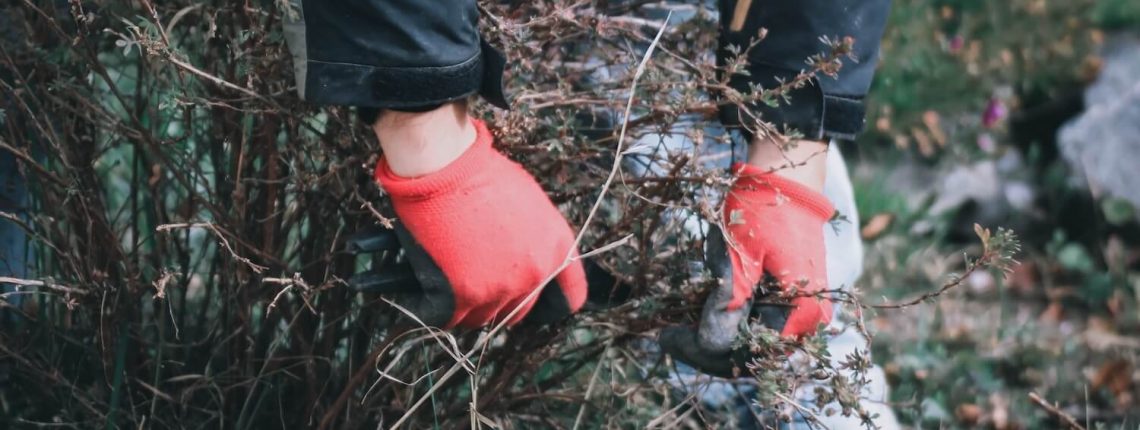
After months of frequent summer downpours, rapid tropical growth, and lingering storm debris, outdoor spaces are often left overgrown, cluttered, and exhausted. Vines creep over fence lines, hedges become leggy, bed borders lose their definition, and fallen foliage piles deep around root zones. Executing a thorough fall landscape cleanup, clearing accumulated debris, cutting back overgrown brush, refreshing bed borders, and preparing turf for cooler weather, is essential for protecting property value, preventing pest infestations, and ensuring a vibrant landscape when spring returns.
The Hidden Hazards of Summer Overgrowth and Fallen Debris
To understand the necessity of a comprehensive fall cleanup, property owners must look closely at what occurs beneath the surface when summer debris accumulates unchecked. Central Florida’s wet season produces an immense volume of organic matter. Shedding oak leaves, fallen palm fronds, storm-battered branches, and aggressive weeds create heavy layers of leaf litter and dense vegetative brush.
While fallen leaves might appear harmless, leaving them scattered across turfgrass and garden beds creates several hidden hazards:
1. Turf Suffocation and Sunlight Blockage
Warm-season grasses require direct sunlight and oxygen to maintain root vigor. When heavy oak leaves or thick lawn clippings pile up on St. Augustine or Zoysia turf, they block sunlight and trap moisture against the leaf blades. Deprived of light, the underlying grass quickly turns yellow, thins out, and dies, leaving bare patches that become prime real estate for winter weeds.
2. Moisture Trapping and Fungal Outbreaks
High humidity combined with trapped moisture under leaf piles creates an ideal environment for destructive fungal pathogens. Fungi like large patch, dollar spot, and root rot thrive in dark, damp, poorly ventilated conditions. Once established beneath organic debris, fungal spores easily spread across healthy lawn areas during cool autumn nights, causing unsightly brown patches that are costly to repair.
3. Ideal Habitats for Pests and Rodents
Insects, reptiles, and rodents view dense brush and leaf piles as premier shelter. In Central Florida’s mild winter climate, pests like chinch bugs, grubs, roaches, palmetto bugs, and rodents do not vanish; they seek protected nesting sites. Accumulations of dead brush along foundation walls, under overgrown shrubs, or in unkempt bed corners provide warm breeding grounds. Once established, these pests can easily migrate into homes or damage plant root systems throughout the winter.
The Essential Fall Cleanup Protocol: A Four-Step Property Reset
A proper fall cleanup is far more than a routine “mow-and-blow” visit. It is a systematic, multi-step property restoration that addresses every layer of the landscape in the correct biological sequence.
Step 1: Complete Debris Removal and Leaf Management
The foundational step of any seasonal cleanup is removing loose organic litter from every corner of the property. This involves raking, blowing, or vacuuming fallen leaves, twigs, palm fronds, and seed pods out from under hedge lines, out of flower beds, and off turf surfaces.
In areas with light, scattered leaf drop on healthy lawns, mulching with a sharp commercial mower blade reincorporates beneficial organic matter into the soil. However, when leaf buildup is heavy, complete collection and removal are critical. Hard surfaces, including driveways, walkways, patios, and pool decks, must be thoroughly cleared to prevent staining from decaying organic tannins and to eliminate slippery walking hazards.
Step 2: Cutting Back Overgrown Brush and Hard Pruning
Summer rains push tropical foliage, hedges, and flowering shrubs into hyperdrive. By mid-autumn, crotons, hibiscus, plumbago, viburnum, and leggy hedges often lose their neat shape, encroaching on walkways, window lines, and building siding.
Fall is an ideal window for structural shaping and pruning. Cutting back overgrown branches restores clean architectural lines, opens up views, and eliminates foliage rubbing against building walls. Removing deadwood, diseased branches, and spent summer blooms directs a plant’s remaining energy into healthy root development. Furthermore, clearing away thick brush along fence lines re-establishes clear boundaries and eliminates invasive vines before they set deep winter roots.
Step 3: Bed Weeding, Re-Edging, and Mulch Refreshing
Summer weeds produce thousands of seeds that lie dormant in garden beds, waiting for cooler weather to sprout. Thoroughly hand-weeding planting beds during a fall cleanup removes these opportunistic invaders before they establish deep root systems.
Once beds are cleared of weeds and debris, re-establishing clean, sharp bed edges along turf lines and hardscapes is crucial. Spading a crisp, two-to-three-inch vertical trench between lawn areas and garden beds prevents aggressive runners from creeping into flower beds while giving the landscape a tailored look.
To finish the beds, applying a fresh two-to-three-inch layer of clean hardwood or pine bark mulch provides vital winter protection. Summer downpours rapidly decompose organic mulch, exposing plant roots to temperature swings. A fresh mulch application insulates root zones against sudden cold snaps, retains soil moisture, suppresses winter weeds, and instantly boosts curb appeal.
Step 4: Turf Conditioning and Irrigation Adjustments
As daytime temperatures cool and daylight hours shorten, turfgrass growth naturally slows down. Continuing to water a lawn on a heavy summer schedule during fall is a common and damaging mistake. Overwatering in cooler weather leads to waterlogged soil, root suffocation, and rampant fungal disease.
A proper fall cleanup includes inspecting the irrigation system, testing sprinkler coverage, fixing clogged heads, and adjusting the controller. Water frequency should be dialed back from three times a week to once or twice a week, depending on local rainfall and soil type. Additionally, applying a specialized fall fertilizer rich in potassium strengthens plant cell walls and builds deep, resilient root systems capable of withstanding winter temperature dips.
Why Fall is Central Florida’s Prime Planting and Sod Window
One of the greatest advantages of Central Florida’s climate is that autumn is not the end of the growing season; it is actually the absolute best window of the year for planting new trees, shrubs, and sod.
Northern transplants are often surprised to learn that planting in October or November yields far better results than planting in May or June. During fall, ambient air temperatures cool down, reducing evaporation and heat stress on plant foliage. However, because Florida soil retains deep warmth from the summer months, root systems continue growing actively throughout November, December, and January.
New shrubs, accent palms, and trees installed during fall enjoy six full months of mild weather to establish deep, sturdy root networks before facing their first intense summer heatwave. Furthermore, lower evaporation rates mean new plantings require significantly less manual watering to thrive.
For lawns damaged by summer chinch bug infestations, fungal disease, or heavy foot traffic, fall is also the premier time for sod replacement. Laying fresh St. Augustine or Zoysia sod on warm, moist autumn soil allows roots to knit down quickly into the earth without the threat of torrential summer downpours washing away subgrade soil or scorching hot sun drying out fresh turf edges.
The Value of Professional Execution: Reclaiming Your Time and Guaranteeing Results
While many homeowners attempt to tackle fall yard work on their own, the physical labor and logistical demands of a thorough cleanup quickly become overwhelming. What starts as a simple Saturday project often stretches into weeks of exhausting labor, sore muscles, and endless piles of heavy yard waste sitting on the curb waiting for municipal pickup.
Professional landscape execution eliminates these headaches. Commercial crews utilize heavy-duty equipment, such as high-capacity leaf vacuums, commercial hedge trimmers, sharp-edged turf mowers, and high-volume hauling trucks, to accomplish in a single morning what would take a homeowner several weekends to complete.
More importantly, professional care ensures that tasks are executed in the correct biological sequence. Cutting back brush and weeding before installing fresh mulch prevents clippings from polluting clean beds. Sharp commercial mower blades slice grass cleanly without shredding blade tips, and experienced technicians recognize early signs of disease or pest activity before catastrophic turf loss occurs.
Partnering with a proven, family-owned regional specialist like Real Lawn ensures your property receives the expert care it deserves. Bringing nearly four decades of hands-on experience to homes and commercial facilities across Central Florida, Real Lawn takes pride in an operational model where the owner works directly alongside crews in the field every day. Whether managing a quick residential cleanup or restoring a large commercial account, Real Lawn combines deep local knowledge with dependable, high-quality service to give property owners a clean slate and complete peace of mind.
Frequently Asked Questions
When is the best time to schedule a fall landscape cleanup in Central Florida?
The ideal window for a fall landscape cleanup in Central Florida runs from late September through November. Scheduling during this period allows you to clear out accumulated summer storm debris, cut back leggy overgrowth, and refresh mulch before the winter holiday season and cool weather arrive.
How does a fall cleanup differ from regular weekly lawn maintenance?
Regular lawn maintenance focuses strictly on weekly or bi-weekly surface care: mowing grass, trimming lawn borders, and blowing off hard surfaces. A seasonal fall cleanup is a comprehensive property overhaul. It includes deep leaf removal from beds and hedge lines, heavy brush cutting, structural shrub pruning, bed re-edging, weed extraction, mulch installation, and green waste haul-away.
Is fall really a good time to install new sod or plant shrubs in Florida?
Yes, fall is widely considered the best planting season in Central Florida. Because the soil remains warm while air temperatures and humidity drop, new roots can grow and establish deep into the ground with minimal heat stress and significantly lower water requirements compared to summer installations.
Should I reduce my irrigation system run times during the fall?
Absolutely. As temperatures drop and days grow shorter, soil evaporation slows down significantly. Continuing to water on a summer schedule during fall leads to oversaturated soil, root rot, and fungal diseases like large patch. Irrigation schedules should be reduced to once or twice a week during cooler months.
What happens to all the brush, leaves, and debris removed during a cleanup?
When you hire a professional landscape service, all organic waste, including heavy tree limbs, dead brush, leaf piles, and pulled weeds, is collected, loaded onto commercial trailers, and hauled off-site immediately. Your property is left completely clean without unsightly bags or brush piles left sitting by the curb.
Will clearing fall debris help prevent pest infestations around my home?
Yes. Thick layers of decomposing leaves, dense brush, and unkempt mulch provide ideal warm, moist breeding habitats for roaches, rodents, palmetto bugs, and lawn pests like chinch bugs. Thoroughly clearing this organic debris removes their shelter and helps protect your home and landscape throughout the winter.
Conclusion: Setting Your Landscape Up for Year-Round Excellence
A lush, healthy Central Florida landscape does not happen by accident; it is the result of timely, strategic care aligned with our region’s unique climate. While autumn in Florida may not bring dramatic color changes or falling snow, it represents a crucial fork in the road for property owners. Leaving summer overgrowth, leaf litter, and dead brush to fester invites fungal disease, pest infestations, and costly winter turf damage.
Conversely, investing in a thorough fall landscape cleanup, clearing debris, cutting back overgrown brush, re-establishing crisp bed lines, and preparing turf root systems protects your investment, enhances curb appeal, and ensures your outdoor space remains a source of pride. By taking a proactive approach this season and trusting experienced local professionals with your yard, you can reclaim your weekend freedom and enjoy a beautiful, resilient landscape through fall, winter, and beyond.