
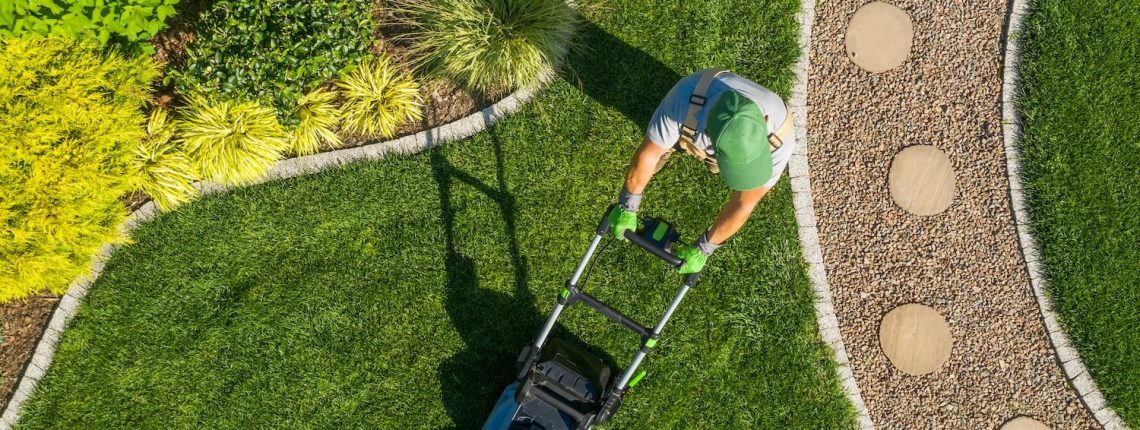
Central Florida weekends are defined by a distinct visual rhythm. As the morning sun warms the sandy soil across Polk, Hillsborough, and Pasco counties, homeowners step out onto their lawns with a shared ambition. Standing on a patch of St. Augustine grass, the DIY dream seems undeniably straightforward. The plan appears simple: buy a walk-behind mower, a string trimmer, and a leaf blower, spend an hour or two every Saturday keeping the yard neat, and pocket the money that would otherwise go to a professional landscape crew. It is an appealing narrative of self-reliance that works well in cooler northern states.
However, that initial math breaks down far faster than Florida homeowners expect. What begins as an innocent weekend routine slowly morphs into a relentless, high-maintenance marathon. By mid-July, when temperatures climb well into the nineties and afternoon thunderstorms push growth into overdrive, a quick cut turns into an exhausting multi-hour battle against wet turf, clogged decks, and aggressive weeds. Beyond physical fatigue, property owners discover a frustrating reality: maintaining a healthy lawn in Central Florida involves unexpected capital expenses, complex turf science, strict environmental codes, and costly diagnostic errors.
The True Financial Ledger: Equipment, Upkeep, and Capital Outlays
The decision to handle your own lawn maintenance is usually driven by a desire to reduce recurring expenses. Yet, most homeowners evaluate DIY costs by comparing a monthly service quote against the price of a basic mower. This comparison ignores the full suite of machinery required to deliver a clean landscape.
A standard suburban yard in Central Florida cannot be maintained with a mower alone. Beyond a quality self-propelled walk-behind mower, a homeowner needs a string trimmer for fence lines, a stick edger for concrete borders, and a leaf blower to clear clippings. When you add gas cans, protective gear, broadcast spreaders, chemical sprayers, and hand tools, upfront equipment costs quickly multiply.
Furthermore, lawn equipment operates under harsh conditions in Florida. High humidity, abrasive sand, and heat wear down small engines rapidly. Ethanol-blended gasoline degrades during humid storage, gumming up carburetors and causing fuel failures. Small engine repairs for carburetors, belts, or pull cords add up fast. Over a five-year window, capital spent on purchasing, fueling, and maintaining DIY gear often reaches several thousand dollars before buying any fertilizer or pest treatments.
| DIY Cost Category | Typical Retail Range | Operational Notes |
|---|---|---|
| Walk-Behind Mower (Self-Propelled) | $350 – $900+ | Essential for residential turf; riding mowers run far higher. |
| String Trimmer & Stick Edger | $180 – $550 | Required for detailed borders along sidewalks and bed lines. |
| Leaf Blower (Gas or Battery) | $80 – $250 | Essential for clearing heavy clippings off hard surfaces. |
| Spreaders, Sprayers & Accessories | $100 – $250 | Broadcast spreaders and pump sprayers for spot treatments. |
| Annual Fuel, Oil, Filters & Blades | $150 – $400 / year | Ongoing maintenance for small engines in harsh humid conditions. |
| Unplanned Small Engine Repairs | $80 – $200 / repair | Carburetor rebuilds, pull cord fixes, and battery replacements. |
The Florida Climate Factor: Why Northern DIY Lawn Rules Do Not Apply
In cooler northern climates, turfgrass enters a complete winter dormancy period, allowing homeowners to park their mowers from October through April. Central Florida operates on a completely different clock. Sub-tropical heat and intense sunlight keep warm-season grasses like St. Augustine, Zoysia, and Bahia active nearly year-round.
During the peak growing season from April through October, heat and heavy summer rain cause St. Augustine grass to explode with growth. Maintaining a lawn during this window demands strict consistency. Turf specialists recommend mowing every seven to ten days. Skipping even one weekend due to travel or rain forces homeowners into a severe predicament.
Mowing grass that has grown too tall violates the one-third rule, which states that you should never remove more than one-third of the leaf blade in a single cut. Cutting off excessive leaf area scalps the turf, exposes root crowns to scorching sun, and causes physiological stress. Stressed turf turns yellow-brown and creates bare gaps where aggressive weeds rapidly take root.
The Misdiagnosis Trap: Chinch Bugs, Fungus, and Fertilizer Blackouts
The most expensive mistakes in DIY lawn care stem from misdiagnosing turf health issues. To the untrained eye, a lawn in distress displays similar symptoms regardless of the underlying cause. Yellowing patches and brown spots are easily mistaken for simple drought stress.
When homeowners observe brown grass during hot weather, their reaction is often to double the watering schedule. In Central Florida, this error can prove catastrophic. If browning is caused by chinch bugs, a destructive insect pest affecting St. Augustine turf, extra water does nothing to stop the damage. Chinch bugs drain plant juices while injecting toxins that block nutrient flow. While the homeowner continues overwatering, the colony expands, destroying large turf areas in days.
Simultaneously, overwatering sandy soils during humid nights creates ideal conditions for fungal pathogens like dollar spot and large patch. Applying excess water accelerates root and foliage rot.
Chemical application presents another trap. Many Central Florida counties enforce a mandatory summer fertilizer blackout period from June 1 through September 30 to protect local waterways. Applying nitrogen or phosphorus during this window violates county codes, carries potential fines, and risks burning heat-stressed grass. Selecting store-bought fertilizers outside the blackout period without soil testing frequently creates nutrient imbalances that lock out essential micronutrients.
Time, Physical Strain, and the Value of Lawn Consistency
The most significant hidden cost of DIY lawn care is the toll on a homeowner’s time and weekend freedom. Mowing is only part of the routine. A complete visit requires hauling out equipment, checking fuel, mowing, string trimming, edging, blowing hard surfaces, and handling yard waste. On a quarter-acre lot, this takes two to four hours of continuous labor.
Across twenty-six to thirty required cuts annually, a DIY homeowner dedicates roughly eighty to one hundred hours to lawn chores. That equals two full weeks of vacation time spent behind a mower in ninety-degree heat. Physical strain in summer heat carries real risks of heat exhaustion and back strain. Furthermore, dull consumer mower blades shred grass instead of slicing cleanly, leaving ragged tips that dry out and invite fungal spores.
Professional landscape care replaces this burden with consistency. Commercial crews use commercial equipment with sharp blades that cut cleanly at precise heights. More importantly, a dedicated service maintains a strict schedule regardless of travel or heat. Consistent cutting height encourages turf to grow thick, creating a natural barrier against weeds.
A long-standing local company like Real Lawn brings nearly four decades of hands-on expertise directly to Central Florida properties, ensuring turf stays healthy through every season.
Because the business operates with daily field oversight by its owner, property owners who partner with Real Lawn receive precision service tailored to local conditions. Partnering with Real Lawn transforms lawn care from a stressful chore into an investment that protects home value and curb appeal.
Frequently Asked Questions
Is professional lawn service actually cheaper than DIY lawn care in Central Florida over time?
When accounting for commercial-quality equipment purchases, fuel, oil, blade sharpening, engine repairs, retail fertilizers, and pest products, DIY lawn care costs between $2,000 and $4,000 over five years. Factoring in eighty to one hundred hours of lost weekend time annually and the risk of costly misdiagnoses, professional service offers comparable financial value while delivering stress-free results.
Why is lawn mowing height so critical for St. Augustine grass?
St. Augustine grass must be mowed at a height of 3.5 to 4 inches. Mowing too short, or scalping, strips away leaf area needed for photosynthesis, exposes soil to direct sun, stresses roots, and allows weeds to germinate.
What is the Florida summer lawn fertilizer blackout period?
Many Central Florida counties enforce an environmental blackout from June 1 through September 30 prohibiting nitrogen and phosphorus fertilizer applications to protect local waterways. Professional landscape companies navigate these rules using compliant organic amendments and micro-nutrients.
How can I tell the difference between chinch bug lawn damage and drought lawn stress?
Chinch bug damage appears as expanding yellow patches in hot, sunny spots along driveways or sidewalks. Unlike drought-stressed grass that revives after watering, chinch-damaged turf dies and pulls away easily from soil despite heavy irrigation.
How often should a Central Florida lawn be mowed during the summer?
During peak growth from April through October, St. Augustine requires mowing every seven to ten days. Frequent mowing follows the “one-third rule,” preventing scalping and encouraging dense root structure.
What should I do if my lawn has been damaged by DIY lawn care mistakes?
Minor scalping or mild weed issues can usually be resolved through proper mowing height and irrigation adjustments. However, severe damage from chinch bugs or fungal rot may require targeted resodding.
Lawn Care Conclusion: Reclaiming Your Weekends and Protecting Your Investment
Your home’s landscape is the first thing guests and neighbors see, representing a major financial investment. While DIY lawn care seems like an easy way to save money, Central Florida’s high humidity, rapid growth cycles, specialized turf, and aggressive pests make it a complex discipline.
Tallying up machinery costs, maintenance, retail chemicals, physical fatigue, and potential turf damage reveals that DIY loses its financial advantage. Outsourcing landscape care is a practical strategy for protecting curb appeal and reclaiming weekend hours. By trusting your property to local professionals who understand Florida turf, you can enjoy a lush, vibrant lawn year-round.